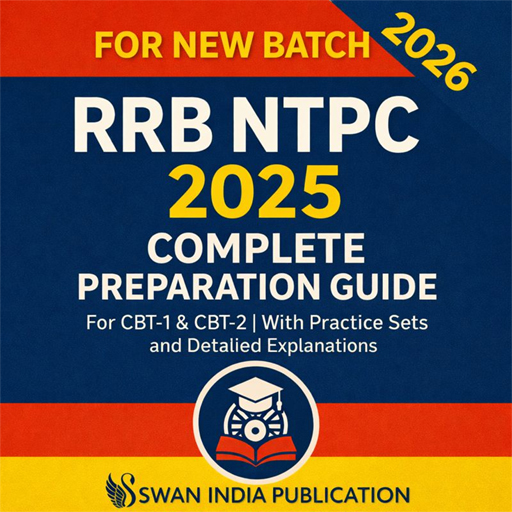
RRB NTPC Online Exam Software
The RRB NTPC Online Exam Software is a specially designed digital testing platform that simulates the official examination environment for the Railway Recruitment Board Non-Technical Popular Categories (RRB NTPC) exam. This exam attracts millions of applicants across India, making it essential to have a scalable, reliable, and secure online system. The software caters to both candidates and educators by offering a real-time testing experience that mirrors the actual CBT (Computer-Based Test) conducted by RRB. It includes sections like General Awareness, Mathematics, and General Intelligence & Reasoning, complete with time-bound formats, multilingual support, and user-friendly navigation to help candidates prepare effectively and confidently.
On the backend, institutions and coaching centers benefit from automated scheduling, test customization, instant scoring, and performance analytics. The software also includes remote proctoring, AI-based monitoring, browser lockdown, and data encryption to ensure a secure and fair testing environment. With the growing demand for online test prep, the platform is accessible via mobile, tablet, and desktop devices, supporting learning even in remote areas. Though challenges such as internet dependency and technical familiarity exist, regular system updates, 24/7 support, and user feedback mechanisms help ensure continuous improvement, making the RRB NTPC Online Exam Software a powerful tool for both learning and assessment.
Introduction to RRB NTPC Online Exam Software
The RRB NTPC Online Exam Software is a comprehensive digital platform designed to facilitate the smooth and secure conduct of the Non-Technical Popular Categories examination conducted by the Railway Recruitment Board (RRB). Given the large volume of candidates who appear for this exam, the software is optimized for large-scale deployment and ensures a standardized testing environment. It helps coaching centers, educational institutions, and e-learning platforms provide real-time, CBT-modeled practice to aspirants, closely following the official pattern and interface.
Features and Functionality
The software comes with an array of features including timed tests, auto-saving of answers, question navigation, and multilingual support (English, Hindi, and other regional languages). It supports all question types relevant to RRB NTPC—such as multiple-choice, reasoning puzzles, and numerical problems. Students can flag questions, track their performance, and receive instant feedback. On the admin side, features include test scheduling, question bank management, student performance tracking, and automated result generation—all managed through a secure and intuitive dashboard.
Security and Integrity Measures
To uphold exam integrity, the software integrates robust security protocols such as AI-enabled remote proctoring, webcam surveillance, screen sharing restrictions, and browser lockdown. Candidate identity verification and IP tracking ensure that only authorized users can access the exam. All data—such as responses, results, and personal information—is encrypted and stored securely, complying with industry-standard data protection guidelines.
Benefits of the Online Mode
The online exam format brings numerous benefits like cost-efficiency, quicker evaluations, remote accessibility, and flexible scheduling. Students in remote areas can take tests from home or local centers without the need for physical infrastructure. Real-time scoring and detailed analytics provide students with immediate insights into their performance, allowing for focused improvement. Institutions also save on logistics and manpower, while maintaining high standards of accuracy and reliability.
Challenges and Continuous Improvement
While the system offers many advantages, it faces certain challenges such as ensuring stable internet connectivity in rural areas, addressing digital illiteracy among some candidates, and preventing technical failures. However, continuous upgrades in server capacity, mobile-friendly access, offline practice modes, and improved customer support are helping to bridge these gaps. Regular feedback from users is incorporated to improve the software interface, test quality, and overall user experience.